Am I Colorblind?
You can’t be certain without a test, but common signs of color blindness include confusing reds, greens and browns, seeing traffic-light reds as dim or muddy, struggling with color-coded charts, and not seeing numbers that others read in dot-pattern images. A quick Ishihara-style test flags a likely deficiency in about two minutes; an eye-care professional confirms it.
Take the free color vision test →Everyday signs to watch for
Color blindness rarely feels like “missing” color — more often it’s specific confusions you’ve lived with so long they seem normal. The most common signs of red-green deficiency are:
Confusing reds with greens and browns, especially in dim light; traffic-light reds looking dim or grayish; trouble with color-coded maps, charts, and wires; picking clothes others call mismatched; and not seeing the number in a field of colored dots that friends read instantly. Blue-yellow confusion (rare) shows up as blues looking green and yellows washing out.
How to check — and what a result means
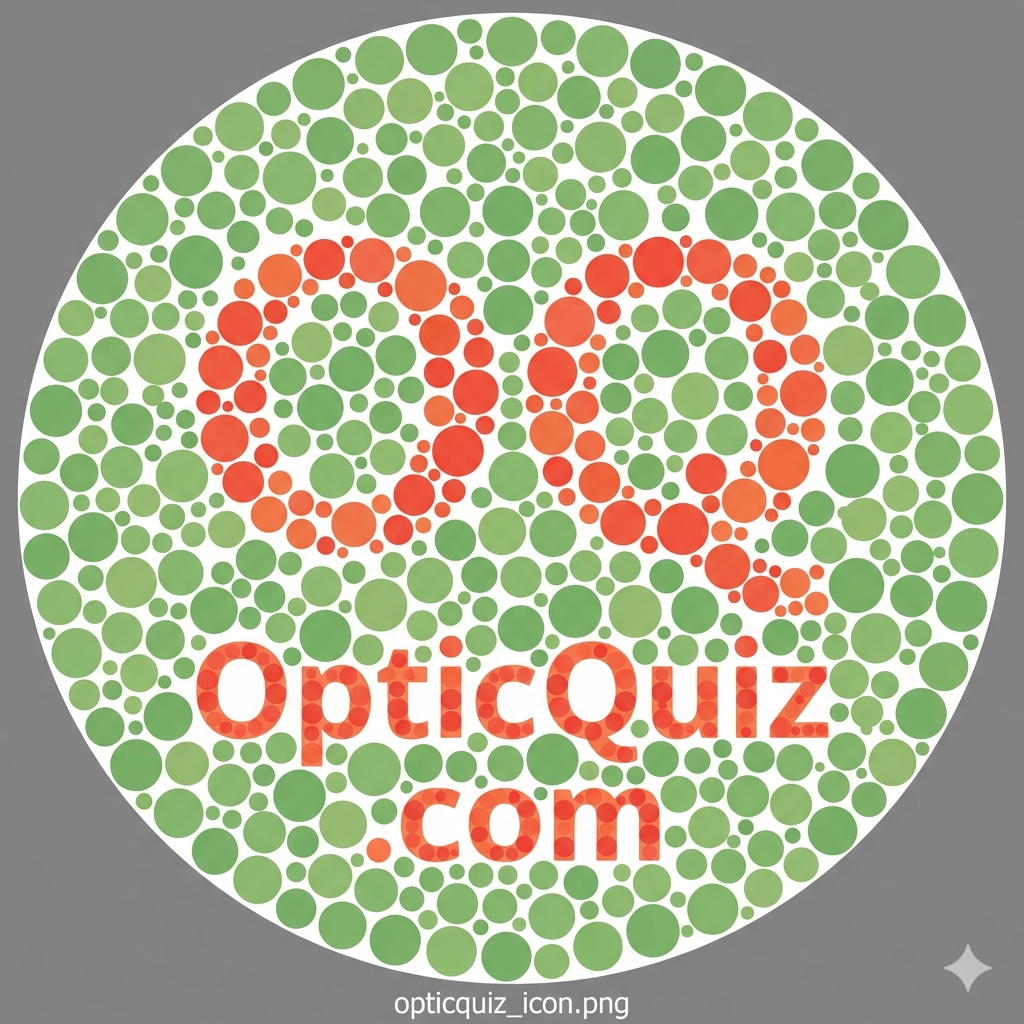
The fastest self-check is an Ishihara-style plate test: a number hides in colored dots along a confusion line, visible to normal color vision and invisible to a matching deficiency. If you miss several plates that others read easily, that’s a genuine signal.
A screen test is a screen, not a diagnosis — displays aren’t color-calibrated. But it’s a solid first step. If it flags a likely deficiency, or if your color vision seems to have changed recently, see an optometrist, who can confirm the type and severity with calibrated plates or an anomaloscope.